
How to Care for Your Teak Cutting Board Complete Maintenance Guide

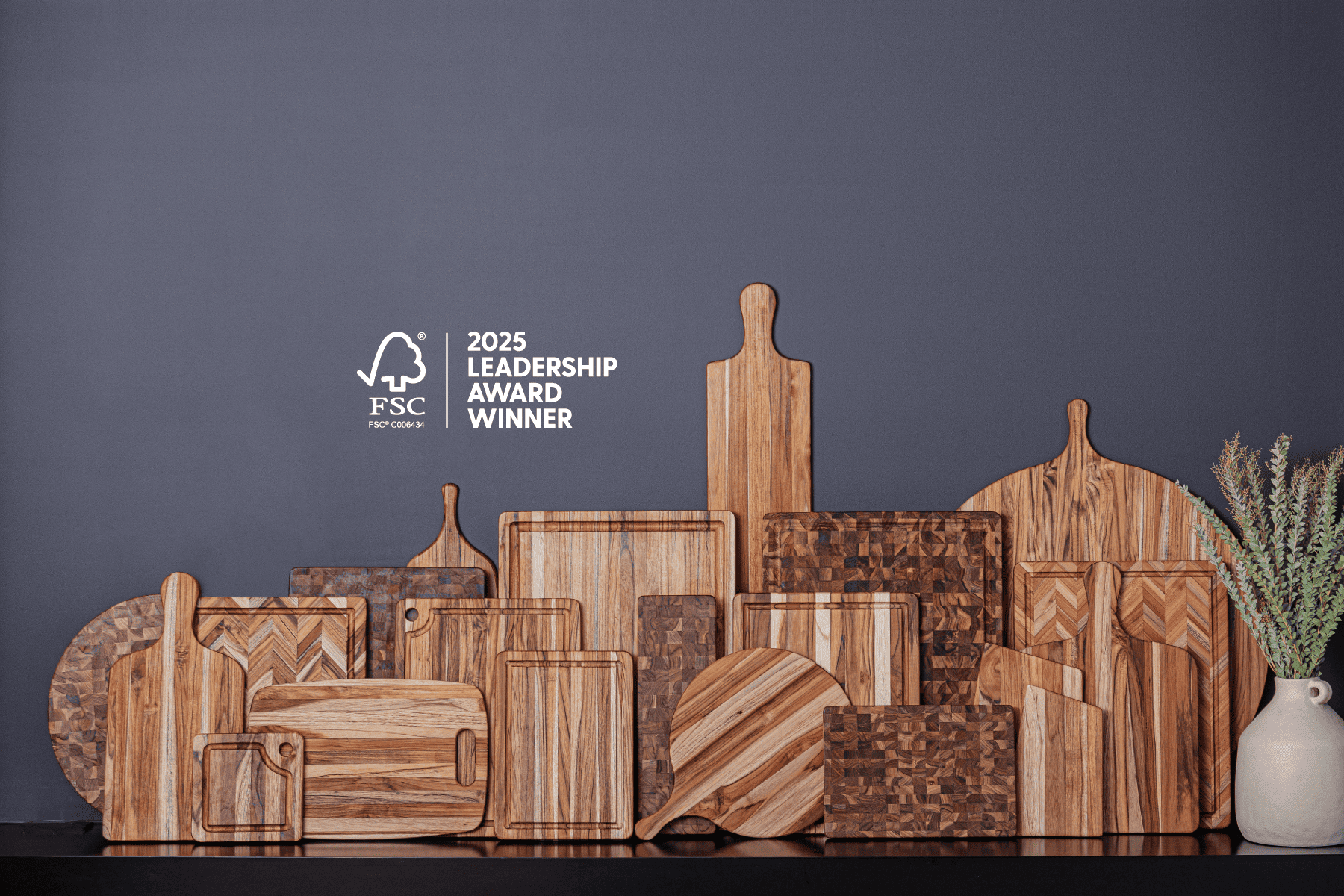
A high-quality teak cutting board is more than just a kitchen tool—it's an investment that can last for decades with proper care and maintenance. Teak's natural oils and exceptionally dense grain make it naturally resistant to water, bacteria, and warping, making it one of the finest materials for cutting boards. All TeakHaus products are FSC-certified, ensuring your cutting board comes from responsibly managed forests that meet strict environmental and social standards.
Whether you've just received your new board or you're looking to restore an old favorite, this comprehensive guide will walk you through everything you need to know about teak cutting board care, from initial use to long-term maintenance and troubleshooting common issues.
Your Board Arrives Ready to Use
Great news: your TeakHaus cutting board comes pre-oiled with a protective mixture of food-safe mineral oil and natural beeswax, so it's ready to use right out of the box! This pre-treatment provides immediate protection and helps seal the wood fibers.
Note: When your board arrives, it may appear slightly opaque or have a lighter, dried appearance due to shipping and climate conditions. This is completely normal! The wood may have dried out during transit or storage. Don't worry—cleaning and oiling will allow the board to adjust to your local room conditions and restore its rich, warm color.
Before your first use, simply:
- Wash the board with warm (not hot) water and mild dish soap to remove any dust from shipping
- Rinse thoroughly with clean water to remove all soap residue
- Dry completely with a clean kitchen towel—never air dry as this can cause uneven moisture absorption
That's it! Your board is now ready for all your food prep needs. If your board appeared dry or opaque upon arrival, you'll notice the color deepening and becoming richer after this initial cleaning. The initial oil coating will last several weeks with normal use, but establishing a regular oiling routine from the start will ensure optimal performance and help the board fully acclimate to your kitchen's humidity and temperature conditions.

Why Teak Makes Superior Cutting Boards
Understanding what makes teak special helps you appreciate proper care. Unlike softer woods, teak contains natural oils (primarily tectoquinone) that repel water and resist bacterial growth. The tight grain structure is gentle on knife edges while being remarkably durable. Teak is also dimensionally stable, meaning it resists warping, cracking, and splitting better than most other woods—even with fluctuating humidity and temperature.
TeakHaus sources only FSC-certified teak from responsibly managed plantations, ensuring environmental sustainability while delivering the premium quality teak is known for. This certification guarantees that forests are replanted, wildlife habitats are protected, and local communities benefit from forestry operations.

Regular Oiling: The Key to Longevity
While your board comes pre-treated, teak needs regular conditioning to maintain its moisture balance and prevent cracking or warping. The wood's natural oils gradually diminish with use and washing. We recommend applying TeakHaus oil or food-grade mineral oil at least two to three times per month for boards used daily. For occasional-use boards, monthly oiling is typically sufficient.
How to Oil Your Board:
- Ensure the board is completely clean and dry—oil won't penetrate damp wood effectively
- Apply a generous amount of oil to the entire surface, including the sides, edges, and bottom—every exposed surface needs protection
- Use a clean, lint-free cloth to work the oil into the wood grain using circular motions, ensuring even coverage
- Let the oil soak in for at least 4-6 hours, or overnight for best results. The wood will absorb what it needs
- Wipe away any excess oil with a clean towel before using the board. Excess oil that hasn't absorbed can become sticky
Pro tip: Your board will tell you when it needs oil. If the surface looks dry, pale, or feels rough, it's time for treatment. A well-oiled board has a rich, warm color and smooth feel.

Daily Cleaning and Care
Proper daily cleaning is crucial for hygiene and longevity. The key is to clean promptly and avoid prolonged water exposure:
- Scrape off food particles immediately after use with a bench scraper or the edge of your knife
- Wash with warm water and a mild dish soap—avoid antibacterial soaps as they can dry out the wood
- For stuck-on residue, use a nylon scrub brush or the rough side of a sponge, never steel wool or abrasive pads
- Rinse thoroughly to remove all soap residue—soap residue can leave an unpleasant taste on food
- Dry immediately and completely with a clean towel—this step is critical to prevent warping
- Store upright in a dish rack or lay flat in a well-ventilated area—vertical storage allows air circulation on both sides
Important: Never leave your board sitting in water or standing in a puddle. Even a few minutes of water pooling can cause localized swelling and potential warping.

Critical Don'ts: What to Avoid
To protect your investment and ensure your board lasts for years, avoid these common mistakes that can permanently damage your cutting board:
- Never put your teak board in the dishwasher. The extreme heat (140-160°F), harsh detergents, and prolonged water exposure will cause severe warping, cracking, splitting, and complete breakdown of the wood fibers. This is the number one way people ruin quality cutting boards.
- Never use in the microwave. Wood and microwaves don't mix—the electromagnetic radiation will cause uneven heating and potential cracking.
- Never place in the oven. Direct heat will rapidly dry out the wood, causing irreversible cracking and splitting.
- Don't soak your board in water. Extended water exposure causes the wood to swell excessively. When it dries, it can crack or warp as the moisture leaves unevenly.
- Don't use harsh chemical cleaners or bleach. These can break down the wood fibers, remove natural oils, and leave harmful residues. Mild dish soap and water are all you need.
- Don't leave it in direct sunlight. UV exposure can fade the wood and cause uneven drying, leading to cracks.
- Don't use vegetable or olive oil. Unlike mineral oil, these cooking oils can turn rancid, creating unpleasant odors and potential food safety issues. Always use food-grade mineral oil or specialized cutting board oil.

Troubleshooting Common Issues
Stubborn Stains
For discoloration from berries, beets, or turmeric, create a paste with baking soda and water. Apply to the stain, let sit for 5-10 minutes, then gently scrub with a damp cloth. For tougher stains, cut a lemon in half, dip it in coarse salt, and scrub the affected area. The citric acid acts as a natural bleaching agent. Rinse thoroughly and dry immediately, then apply oil to restore moisture.
Unpleasant Odors
If your board has absorbed odors from onions, garlic, or fish, rub half a lemon over the entire surface and let it sit for 10-15 minutes before washing. For persistent odors, make a paste of baking soda and water, spread it across the board, let it sit overnight, then wash and dry thoroughly. White vinegar can also neutralize odors—wipe the board with undiluted white vinegar, let it sit for several minutes, then rinse and dry.
Deep Scratches and Grooves
Over time, knife marks are normal and add character. However, if grooves become deep enough to trap food particles or make cleaning difficult, you can sand the board. Use 80-grit sandpaper to remove deep scratches, then progress to 120-grit, and finish with 220-grit for a smooth surface. Always sand with the grain, never against it. After sanding, wipe away all dust with a damp cloth, let dry completely, then apply 2-3 coats of mineral oil, allowing each to soak in for several hours.
Warping or Cupping
Minor warping can sometimes be corrected. Place the board concave-side down on a flat surface and put a damp (not soaking) towel on top. Place weights evenly across the board and leave for 24-48 hours in a cool, dry place. This allows moisture to penetrate and may help flatten the board. However, severe warping from dishwasher damage or prolonged soaking is usually permanent. Prevention through proper care is key.
Cracks or Splits
Small surface cracks can be stabilized with food-grade wood glue. Clean the crack thoroughly, apply glue, clamp if possible, and let cure for 24 hours. Sand smooth and re-oil. However, large cracks that go through the board compromise food safety and structural integrity—these boards should be retired from food use but can be repurposed as trivets or serving boards for dry foods only.

Pro Tips for Maximum Lifespan
- Flip it regularly: Use both sides of your board to ensure even wear, moisture distribution, and knife mark accumulation. This prevents one side from becoming significantly more worn than the other.
- Use the right surface for the task: While teak is durable, avoid using it for heavy cleaver work or bone cutting. Reserve these tasks for a dedicated butcher block.
- Place a damp towel underneath: A slightly damp kitchen towel under your cutting board prevents slipping and provides a stable cutting surface, improving both safety and precision.
- Separate boards for different foods: Consider dedicating one board for raw proteins and another for fruits and vegetables to minimize cross-contamination risk.
- Season new boards extra: When you first get your board, consider oiling it 2-3 times in the first week (waiting for absorption between applications) to build up maximum protection before regular use.
- Store in moderate conditions: Keep your board away from heat sources like stoves or radiators, and avoid areas with extreme humidity changes, like next to the sink or dishwasher.

Maintenance Schedule at a Glance
After Every Use:
- Scrape, wash with mild soap, rinse, dry immediately, store upright or flat
Weekly (for daily use):
- Apply mineral oil or TeakHaus oil, let soak overnight, wipe excess
Monthly:
- Inspect for deep scratches, cracks, or warping
- Deep clean with lemon and salt if needed for stains or odors
Every 6-12 Months:
- Light sanding if surface has become rough or heavily scratched (150-220 grit)
- Heavy oiling treatment: apply 2-3 coats over a weekend, allowing full absorption between coats

Teak vs. Other Cutting Board Woods
Understanding how teak compares to other popular cutting board materials can help you appreciate what you have:
Teak vs. Maple: While maple is excellent and widely used, teak's natural oils make it more water-resistant and less prone to harboring bacteria. Teak is also more dimensionally stable—it resists warping better than maple in humid environments.
Teak vs. Walnut: Walnut is beautiful and gentler on knife edges, but it's softer than teak and shows wear more quickly. Teak's density provides superior durability for heavy-use kitchens.
Teak vs. Bamboo: Bamboo is eco-friendly and affordable, but it's harder than teak, which can dull knife edges faster. Teak offers better moisture resistance and a longer lifespan when properly maintained.
Teak vs. Plastic: While plastic boards are dishwasher-safe and inexpensive, they develop deep grooves that harbor bacteria and must be replaced frequently. A well-maintained teak board can last 20+ years and is naturally antimicrobial.

Our Commitment to Sustainability
Every TeakHaus cutting board is FSC-certified (Forest Stewardship Council), which means the teak comes from responsibly managed forests that meet rigorous standards for environmental protection, workers' rights, and community engagement. FSC certification ensures:
- Forests are harvested sustainably with replanting requirements
- Wildlife habitats and biodiversity are protected
- Workers receive fair wages and safe working conditions
- Indigenous and local community rights are respected
By choosing an FSC-certified teak cutting board and maintaining it properly for decades of use, you're making an environmentally conscious choice that reduces waste and supports responsible forestry. Learn more about FSC certification at fsc.org.

Additional Resources
For additional information about caring for and maintaining your cutting boards, including video tutorials and answers to frequently asked questions, visit our comprehensive FAQ section.
Shop our complete collection of TeakHaus cutting boards, maintenance oils, and accessories here.

Final Thoughts
With proper care, your FSC-certified teak cutting board will be a beautiful and functional kitchen companion for many years—even decades—to come. The few minutes spent on regular maintenance will reward you with a board that develops a rich patina, ages gracefully, and continues to perform beautifully every time you cook. Unlike cheaper alternatives that need frequent replacement, a quality teak board represents a one-time investment in your kitchen that pays dividends in durability, safety, and cooking enjoyment.
Remember: the three keys to teak cutting board longevity are regular oiling (2-3 times per month), immediate drying after washing, and never using the dishwasher. Follow these principles, and your cutting board will serve you well for a lifetime.