Beyond the Cutting Board

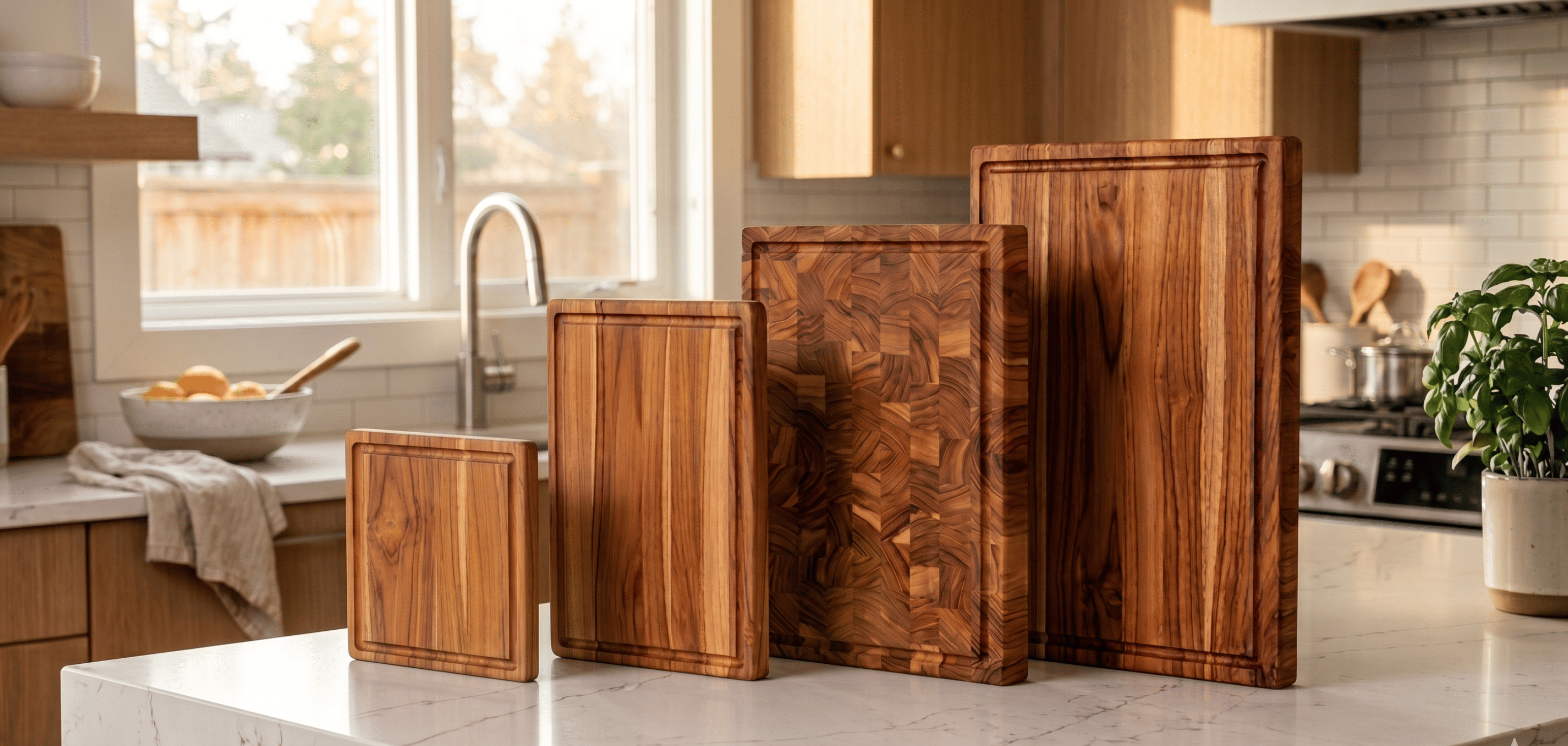
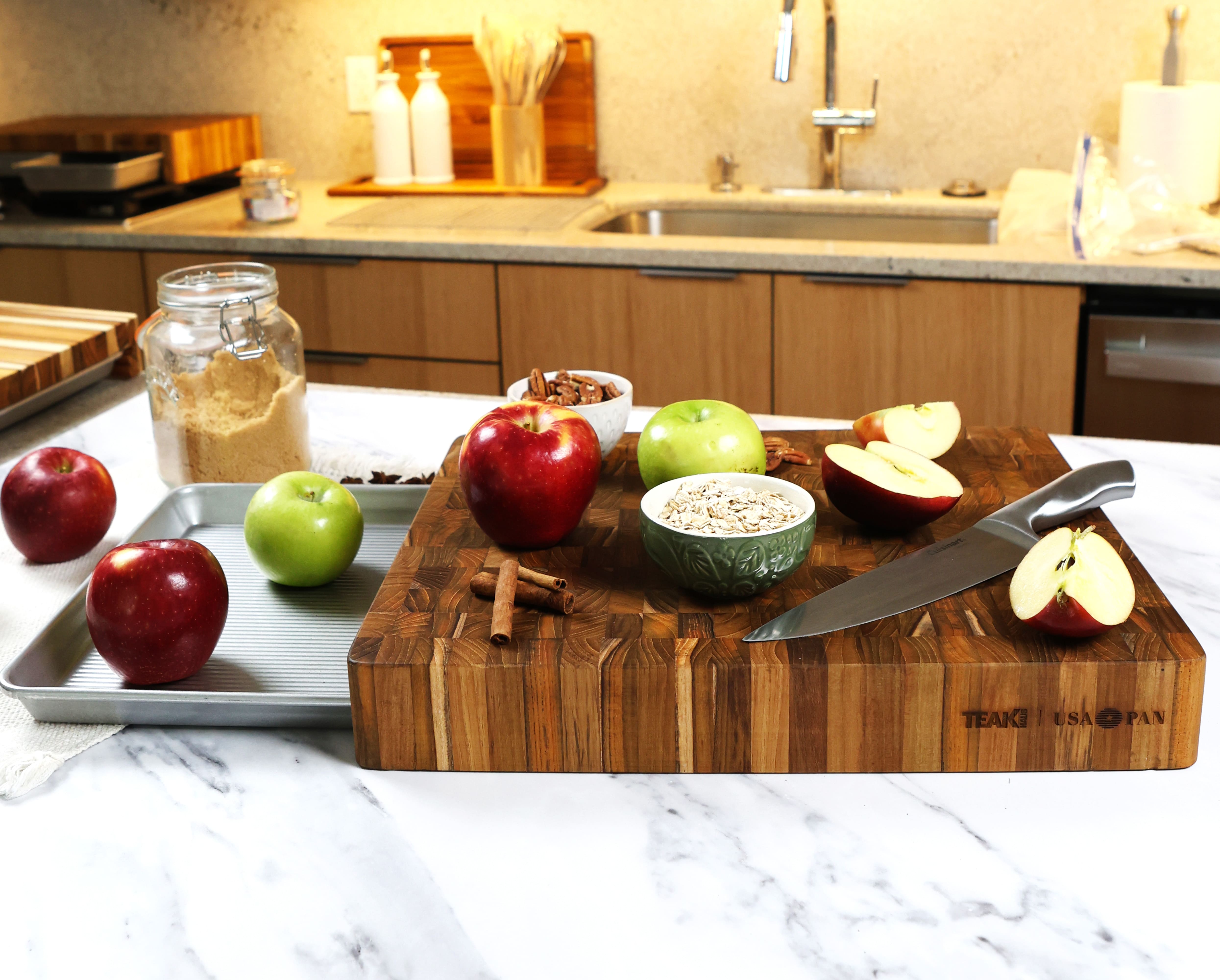
Most people discover teak through a cutting board. They buy one for the kitchen, notice how it handles moisture and heavy use without complaining, and then one day a thought crosses their mind: what else can this wood do?
The answer is quite a lot. The same properties that make teak the ideal cutting surface — natural oil resistance, antibacterial protection, dimensional stability, and a warm aesthetic that improves with age — make it equally suited for the moments that happen after the food is prepped. The serving. The presentation. The gathering around the table.
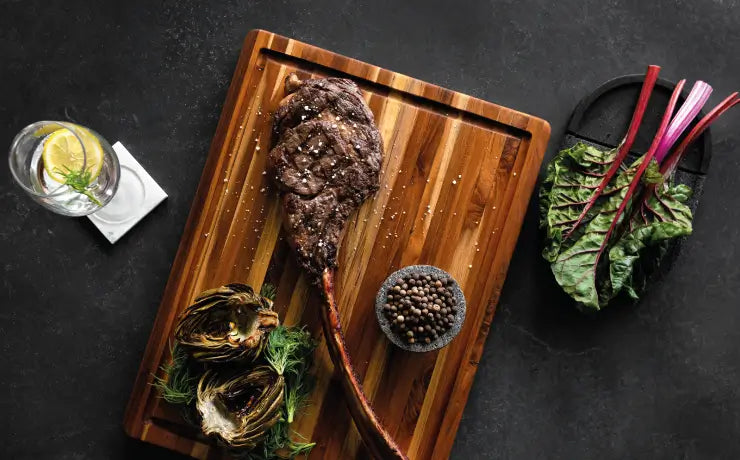
This is the side of teak that doesn't get talked about enough. Cutting boards solve a kitchen problem. Serving bread, pizza, sushi, and bar boards solves a hosting problem — and they do it with the same material, the same craftsmanship, and the same sustainability standards.

Serving & Charcuterie Boards: Where the Meal Becomes the Moment
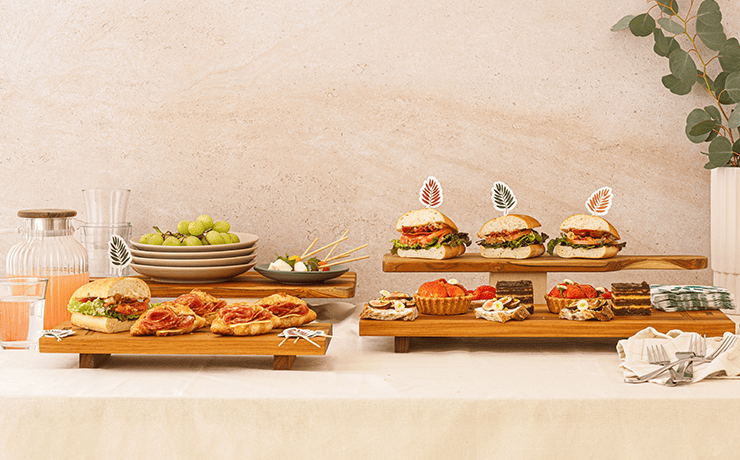
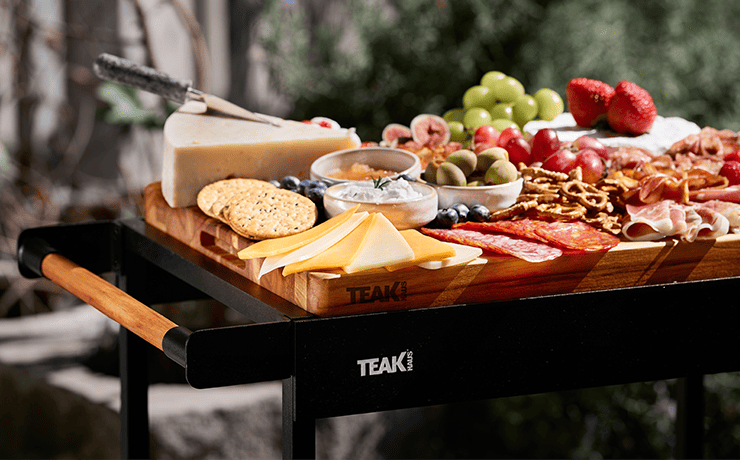
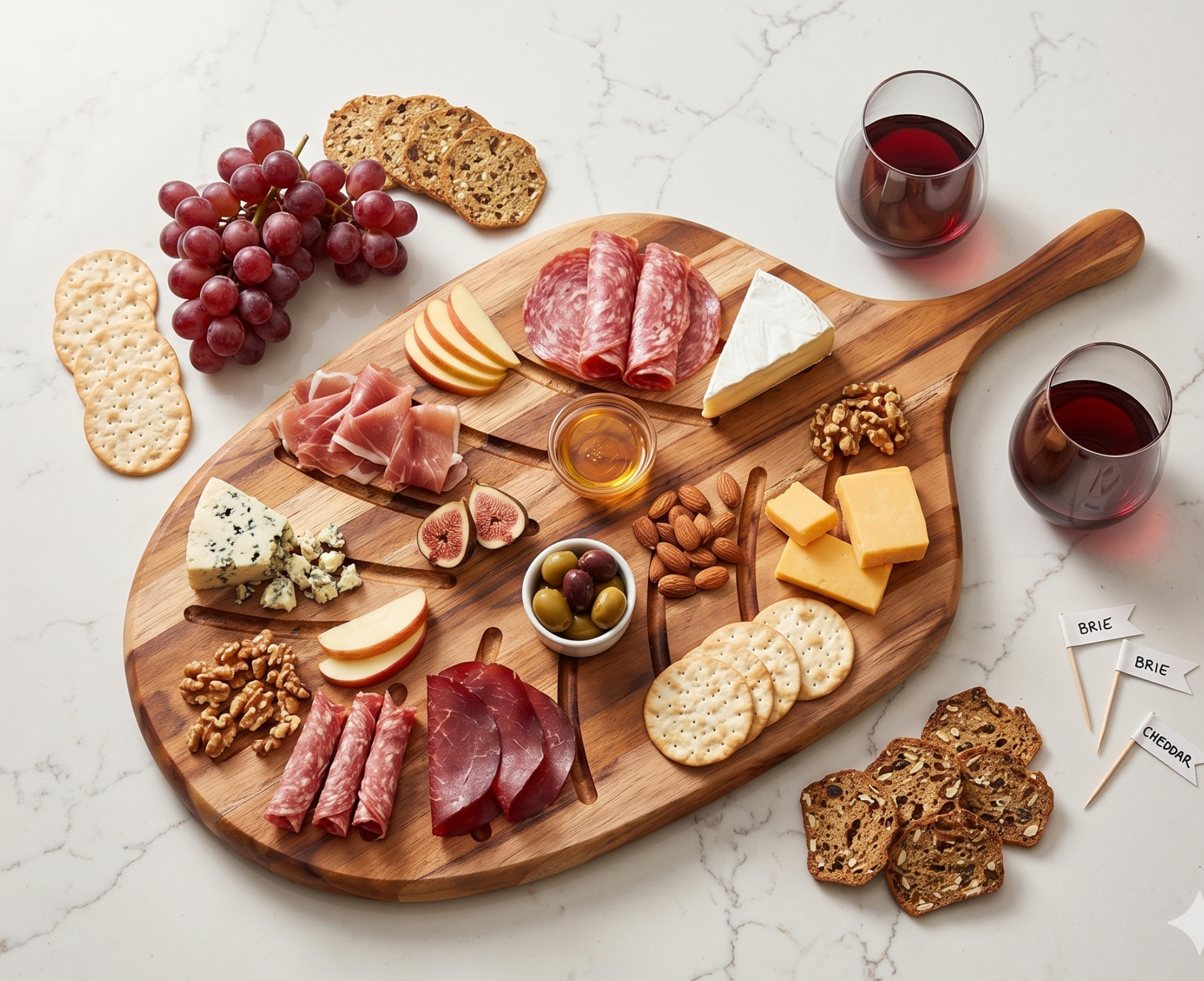
There's a shift that happens when food moves from the kitchen to a board on the table. It stops being dinner and starts being an experience. A pile of sliced salami on a plate is lunch. The same salami arranged on a teak board with cornichons, a wedge of aged Gouda, and a handful of marcona almonds is an event.
That transformation is what serving boards are built for. And teak does it better than any other material for a few specific reasons.
Why Teak Works for Serving
It won't absorb odors. This is the critical advantage over other wood boards. You can serve a strong blue cheese, clean the board, and serve a lemon tart on the same surface the next day with zero flavor transfer. Teak's natural oils create a barrier that porous woods like acacia or mango simply don't have.
It won't stain. Berries, wine drips, beet-cured salmon, pomegranate seeds — the foods that make a charcuterie board beautiful are also the ones that permanently mark most wood surfaces. Teak's tight grain and oil content resist staining in ways that lighter, more porous woods can't match.
It gets better with age. Unlike ceramic platters or marble slabs that chip, crack, or look worn over time, teak develops a warm patina that deepens with use. A board that's hosted a hundred dinner parties looks richer and more inviting than the day it arrived.

How to Build a Board
Assembling a charcuterie spread isn't complicated, but there's a method that makes the result look effortless:
Start with the anchors. Place your cheeses first — two or three varieties with different textures (one soft, one firm, one crumbly). Space them apart to create zones on the board.
Add the meats. Fold salami into quarters, roll prosciutto into loose rosettes, and fan out soppressata slices. The folds create height and visual texture that flat slices can't.
Fill the gaps. Olives, cornichons, nuts, dried fruit, and honey in a small bowl, crackers fanned along the edges. These fillers turn space into abundance.
Finish with color. Fresh herbs (rosemary sprigs, thyme), edible flowers, or bright fruit (figs, pomegranate seeds, grapes) add the visual pop that makes people reach for their phones before they reach for the food.
💡 THE HOSTING SHORTCUT
A charcuterie board is the easiest way to feed a group without actually cooking. Pick up a few quality ingredients, arrange them on teak, and you've got an appetizer that looks like you spent an hour in the kitchen. It works for two people on a Tuesday night and for twenty on New Year's Eve.
Bread & Baking Boards: The Weekend Ritual
There's a particular kind of morning that calls for a breadboard. The sourdough is just out of the oven. The crust is crackling as it cools. Someone's already set out the butter and a jar of jam. And you need a surface that can handle a hot loaf, a serrated knife, and the mess that follows — without flinching.
Why Teak Works for Bread
Crumb management. Bread boards feature grooved channels around the perimeter that catch crumbs as you slice. Instead of scattering across the counter, crumbs collect in the groove and pour off neatly when you tilt the board over the sink.
Heat tolerance. Teak handles warm-from-the-oven bread without warping, splitting, or scorching. You can set a fresh loaf directly on the board while it finishes cooling. Bamboo glue lines can soften with heat, and marble conducts temperature in ways that affect crust texture. Teak doesn't flinch.
Knife-friendly surface. A serrated bread knife works hard — the sawing motion is more aggressive than a push-cut. Teak's natural give absorbs that action without dulling the serration or chewing up the board surface.

Beyond Bread: Baking Day Uses
Bread boards aren't limited to slicing loaves. They're the natural landing pad for everything that comes out of the oven on a weekend baking session: scones arranged for a tea service, cinnamon rolls pulled apart and drizzled with icing, puff pastry appetizers lined up for guests, or a simple baguette torn and served alongside dinner.
🌿 SAME TEAK, DIFFERENT PURPOSE
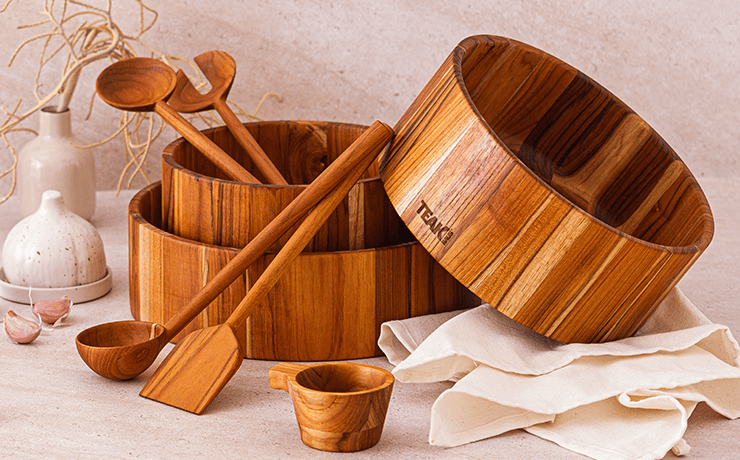
Every TeakHaus serving board, bread board, and specialty board is built from the same FSC®-certified, plantation-grown teak as our cutting boards — with the same zero-waste production process. The natural oils that protect a cutting board from moisture and bacteria do the same work on a serving surface. The only difference is intention.
More Ways to Use Teak at the Table
Serving and bread boards cover most hosting scenarios, but teak goes further. Three more collections are built for specific moments that deserve their own surface.
Bar & Entertaining Boards
The drink side of hosting has its own demands. You need a surface for slicing citrus wheels, muddling herbs, arranging garnishes, and staging the kind of snack spread that keeps people around the bar instead of drifting to the kitchen. Bar boards handle all of it.
Teak's moisture resistance is the key advantage here. Spilled cocktails, condensation rings from ice buckets, wet lime wedges, and the inevitable splash from an overzealous pour — none of it damages the surface. Set a bar board on the counter or the outdoor bar cart, and it becomes the anchor for the evening. A few boards lined up side by side turn a countertop into a cocktail station.
Best for: happy hour setups, cocktail parties, outdoor bar stations, garnish prep, and pairing drinks with small bites.

Pizza Boards
Friday pizza night is a ritual in a lot of homes, and the board you serve it on matters more than you'd think. A teak pizza board is round, stable, and designed to take a pie straight from the oven or pizza stone. Slide the pizza on, slice it tableside, and serve from the same surface — no awkward transfers, no flimsy aluminum peel that buckles under weight.
Teak handles the residual heat from a fresh pizza without scorching, warping, or absorbing grease the way bamboo does. The round shape gives your pizza cutter a full rotation for clean slices, and the board's heft keeps it planted on the table while guests pull slices from every direction.
Best for: homemade pizza nights, flatbread appetizers, casual entertaining, and families who've upgraded from delivery to dough.

Sushi Boards
Sushi presentation is as much about the surface as the fish. A teak sushi board brings warmth and natural texture to a cuisine that's often served on cold, impersonal plates. The clean lines and tight grain let the food command attention — nigiri lined up in neat rows, sashimi fanned in overlapping slices, maki rolls arranged with pickled ginger and wasabi.
Teak's tight grain is the practical advantage here. It won't absorb soy sauce, won't hold onto fish oils, and cleans up completely between uses. For home sushi nights or Japanese-inspired appetizer courses, a dedicated sushi board elevates the presentation without the fragility of lacquerware or the coldness of stone.
Best for: sushi and sashimi service, Japanese-style appetizers, date nights, and anyone who treats presentation as part of the meal.

Why Teak Over Other Serving Materials
Marble is heavy, cold, and chips. Slate stains cannot be cleaned properly. Acacia and mango wood are beautiful but porous — they absorb odors and require constant oiling to prevent cracking. Ceramic platters crack if they're dropped and don't age gracefully.
Teak avoids all of these problems. It's light enough to carry one-handed, warm to the touch, resistant to odors and stains, and it survives the inevitable kitchen accidents — a dropped board, a spilled glass, a hurried wash — without showing damage. It's the serving material that works as hard as you do and looks better for it.
The Two-Board Entertaining Setup
Just as most kitchens work best with two cutting boards, most entertaining setups benefit from a pair: one serving board and one bread board. The serving board handles appetizers, charcuterie, and cheese courses. The breadboard handles the loaf, the rolls, or whatever came out of the oven that morning.
Together, they cover every hosting scenario from a casual Friday night to a formal holiday dinner — and they both go from kitchen to table without needing a transfer plate or a separate platter.
Add a pizza board for Friday nights, a sushi board for date nights, or a bar board for cocktail hour, and you've built a complete teak hosting collection — each piece purpose-built for a specific moment, all sharing the same material, the same craftsmanship, and the same sustainability story.
It's also not coincidentally the combination that makes the best gift. Mother's Day is May 10.
Find Your Board
A cutting board solves a kitchen problem. Everything else on this page solves a hosting problem. And when they're all built from the same FSC®-certified teak, your kitchen has a material language that runs from prep to presentation — consistent, sustainable, and built to last.
SHOP SERVING & CHARCUTERIE BOARDS →